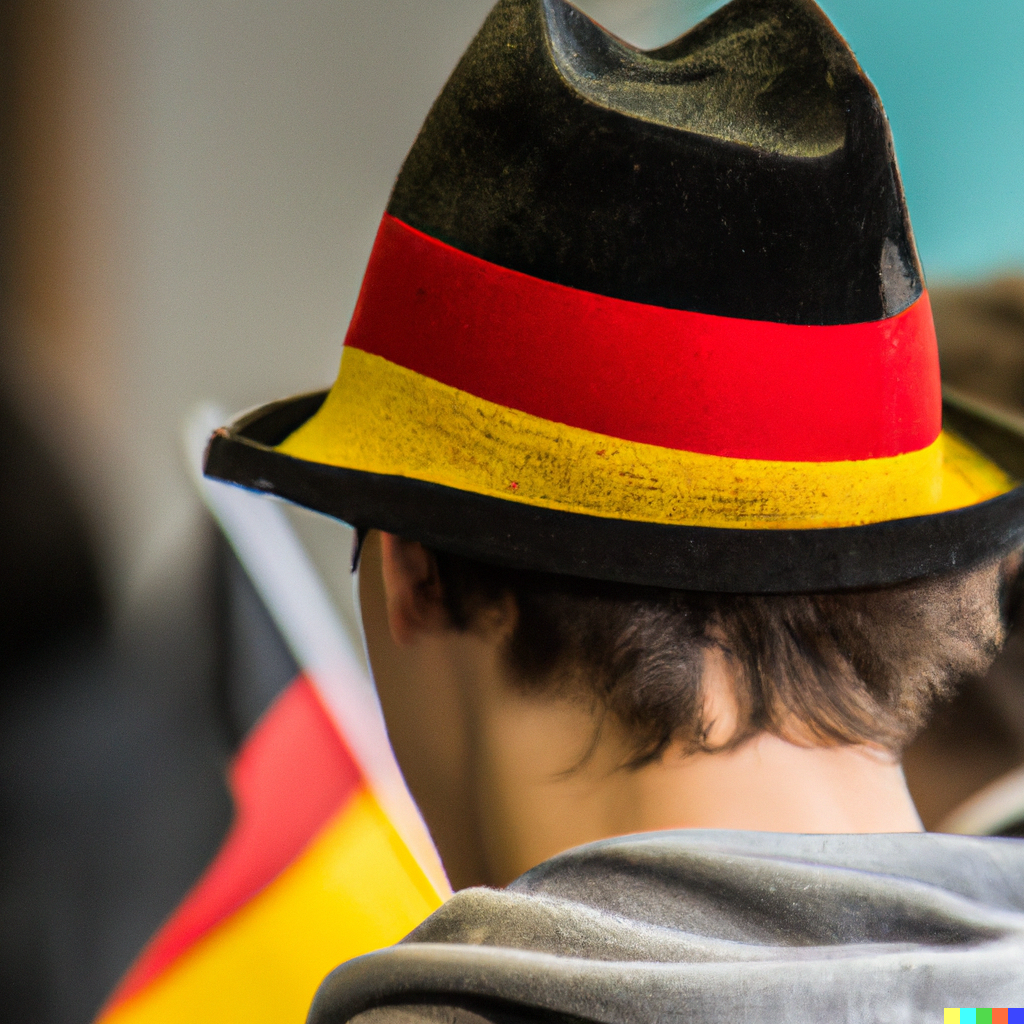
Every autumn, over 6 million visitors from across the globe gather on the Theresienwiese meadow in Munich, Bavaria, for the world’s largest folk festival (das Volksfest): Oktoberfest (known locally as die Wiesn).
While Oktoberfest is famous worldwide for giant 1-liter glass beer mugs (die Maß), brass oompah bands, and traditional Bavarian clothing (Trachten), navigating the festival requires knowing authentic Bavarian traditions, tent reservation rules, table etiquette, security safety rules, and local Bairisch dialect expressions.
This master guide covers the 200-year history of Oktoberfest, beer tent mechanics, traditional attire guidelines (Lederhosen & Dirndl), Bavarian phrasebooks, and survival tips.
1. History of Oktoberfest: Royal Wedding Beginnings
October 12, 1810 ➔ Crown Prince Ludwig Weds Princess Therese ➔ Royal Horse Race Celebration ➔ Annual Festival Born!
- Origins: The very first Oktoberfest was held on October 12, 1810, to celebrate the royal wedding of Crown Prince Ludwig of Bavaria to Princess Therese of Saxe-Hildburghausen.
- Why “Theresienwiese”? The open meadow outside Munich’s city gates was named Theresienwiese (“Therese’s Meadow”) in honor of the bride. Munich locals abbreviate this to die Wiesn!
- Why September? Although originally held in October, the festival was shifted forward into late September to take advantage of warmer autumn weather. Today, Oktoberfest runs for 16 days, ending on the first Sunday in October.
2. Oktoberfest Beer Tents (Die Festzelte) & Etiquette
Oktoberfest features 14 massive large beer tents (holding up to 10,000 people each) operated by Munich’s traditional “Big Six” breweries (Augustiner, Paulaner, Spaten, Hofbräu, Hacker-Pschorr, Löwenbräu).
1. O'zapft is! (The Opening Tap): The Festival officially begins when the Mayor of Munich taps the first beer keg at noon on opening Saturday shouting "O'zapft is!" (It is tapped!).
2. Die Maß Beer: Oktoberfest beer (Märzen/Festbier) is served exclusively in 1-Liter glass mugs called "die Maß" (pronounced 'Mahss'). It has a higher alcohol content (~6%).
3. Table Etiquette: Never stand on the wooden tables! Standing on benches to dance is allowed and encouraged, but stepping on a table will get you removed by security.
3. Traditional Bavarian Clothing (Die Tracht: Dirndl & Lederhosen)
Wearing authentic regional attire (die Tracht) is part of the Oktoberfest experience for both locals and international guests.
A. Men’s Attire: Die Lederhosen
- Material: Traditional knee-length leather shorts made from deer skin (Hirschleder) or goat leather (Ziegenleder).
- Shirt: A crisp white or checked (kariertes) button-down shirt.
- Footwear: Haferlschuhe (traditional side-laced Bavarian leather shoes) worn with thick wool socks folded down (Trachtenstrümpfe).
B. Women’s Attire: Das Dirndl
- Structure: Consists of a close-fitting bodice, a white blouse (Dirndlbluse), a full skirt, and a decorative apron (Schürze).
- The Secret Apron Bow Code (Die Dirndlschleife): Pay attention to where the apron bow is tied! It signals marital status:
Dirndl Apron Bow Placement Code:
- Tied on the LEFT side ➔ Single / Available! (Ledig)
- Tied on the RIGHT side ➔ Taken / Married / In a Relationship! (Vergeben)
- Tied in the FRONT Center ➔ Virgin / Traditional Young Girl.
- Tied in the BACK Center ➔ Widow (Ververwitet) or Waitress.
4. Useful Bavarian Dialect Phrasebook (Bairisch)
High German (Hochdeutsch) is understood everywhere, but using authentic Bavarian dialect expressions (Bairisch) will instantly charm locals!
| Bavarian Phrase | Standard German Equivalent | English Meaning |
|---|---|---|
| Servus! / Griaß di! | Guten Tag / Hallo | Hello / Greetings! |
| O’zapft is! | Es ist angezapft! | It is tapped! (Opening phrase) |
| Ein Prosit der Gemütlichkeit! | Trinksprüch | A toast to good times & cheer! |
| I hätt gern a Maß, bitte! | Ich hätte gerne eine Maß Bier. | I would like a liter of beer, please! |
| Pfiat di! | Auf Wiedersehen! | Goodbye! |
| An Guadn! | Guten Appetit! | Enjoy your meal! |
| A Mordsgaudi! | Ein riesiger Spaß! | A fantastic, fun time! |
| Oans, zwoa, g’suffa! | Eins, zwei, getrunken! | One, two, drink! (Cheering call) |
| Fesch! | Schön / Attraktiv | Attractive / Handsome |
| Hock di her! | Setz dich zu uns! | Sit down with us! |
| Passt schon! | Alles in Ordnung! | It’s all good! / That’s fine! |
| Pfiad eich! | Tschüss zusammen! | Goodbye to all of you! |
| I moag di! | Ich mag dich! | I like you! |
| Schmankerl | Köstlichkeit / Leckerbissen | Delicious Bavarian delicacy |
| Bass d’auf! | Pass auf! / Vorsicht! | Watch out! / Be careful! |
| Bavarian Prost! | Zum Wohl! | Cheers / To your health! |
| Brezl | Laugenbrezel | Soft Bavarian Pretzel |
| Radi | Rettich | White Radish Snack |
5. Security, Luggage Restrictions & Survival Hacks
To ensure a smooth visit to the Wiesn, follow these practical safety guidelines:
- Bag Restrictions: Backpacks and large bags exceeding 3 Liters in volume (approx. 20 cm x 15 cm x 10 cm) are strictly banned from entering the festival grounds. Leave large bags at train station lockers!
- Cash is King: While some tents accept cards, cash is significantly faster for buying beer and food from busy waitstaff.
- Bring Water & Hydrate: Oktoberfest beer is served in 1-liter glasses and contains roughly 6% alcohol—significantly stronger than standard lager!
- Family Days: Tuesdays are official “Family Days” (Familientage) offering discounted ride prices for children!
- Lost and Found (Fundbüro): Located behind the Schottenhamel tent near the service center (Servicezentrum).
6. Traditional Oktoberfest Culinary Delights
Do not drink die Maß on an empty stomach! Pair your beer with iconic Bavarian food:
- Das Hendl: Half a crispy roasted chicken (Halbes Händl).
- Die Brezn: Giant salted Bavarian soft pretzel.
- Obatzda: A rich Bavarian cheese spread made from aged Camembert, butter, paprika, and caraway seeds.
- Schweinebraten: Roasted pork shoulder served with potato dumplings (Knödel) and dark beer gravy.
- Kaiserschmarrn: Fluffy shredded pancake served with warm plum compote.
Prosit! Enjoy the magic of Munich’s Oktoberfest! Explore more traditions in our German Traditions section.